Tonsil Stones: When to See an ENT Doctor for Proper Treatment
Stubborn Tonsil Stones? When to Book an ENT Clinic Appointment
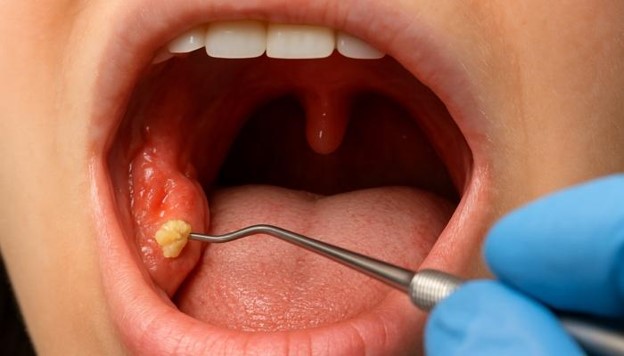
Tonsil stones can feel like an annoying mystery. One day, you notice a persistent bad taste, bad breath that won’t shift, or a sensation of “something stuck” in your throat—then you spot tiny white or yellowish lumps lodged in the tonsils.
For some people, tonsil stones (also called tonsilloliths) are occasional and mild. For others, they keep returning, triggering repeated throat irritation and causing ongoing embarrassment due to breath concerns.
The good news is that tonsil stones are usually harmless. However, recurrent or troublesome tonsil stones deserve proper assessment, especially when home measures fail, symptoms worsen, or you are frequently unwell with sore throats.
An ENT doctor (ENT specialist) can confirm the diagnosis, rule out other causes of throat symptoms, and offer safe treatment options tailored to the severity of your problem.
This article explains what tonsil stones are, why they happen, what you can safely do at home, and when it’s time to see an ENT clinic for proper treatment.
What are tonsil stones?
Tonsil stones are small, hardened deposits that form in the crevices (crypts) of the tonsils. They can be made up of:
- food debris
- dead cells
- mucus
- bacteria
Over time, this material can compact and calcify, forming a small stone. Tonsil stones vary in size—from tiny grains to larger lumps—and may sit on the surface or deeper in the tonsil crypts.
Common symptoms of tonsil stones
Some people have tonsil stones without any symptoms. When symptoms occur, they commonly include:
- Bad breath (halitosis) that persists despite brushing
- A bad taste in the mouth
- The feeling of something stuck in the throat (foreign body sensation)
- Mild sore throat or throat irritation
- Visible white/yellow lumps on the tonsils
- Coughing or frequent throat clearing
- Ear discomfort (referred pain from the throat can feel like an earache)
Importantly, severe pain, high fever, or significant swelling may suggest another condition, such as acute tonsillitis or an abscess, and should be assessed promptly.
Why do tonsil stones keep coming back?
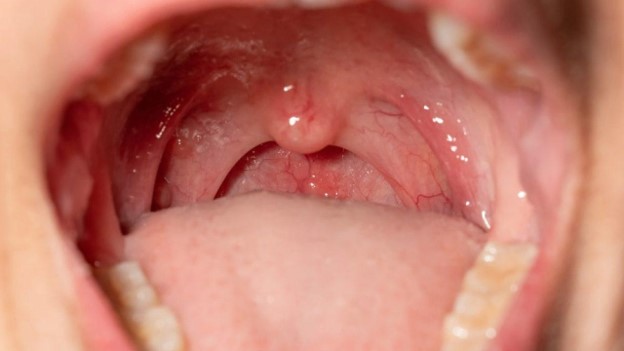
Tonsil stones are more likely when the tonsils have deeper crypts and when debris easily collects. Common contributing factors include:
Chronic tonsil inflammation
Repeated tonsillitis or ongoing low-grade inflammation can make tonsil crypts more prominent and more likely to trap debris.
Post-nasal drip
Allergies, sinusitis, and chronic rhinitis can cause mucus to drip into the throat. This mucus can contribute to debris build-up in the tonsils.
Dry mouth
Mouth breathing, dehydration, or certain medications can reduce saliva. Saliva helps wash away bacteria and debris, so reduced saliva can increase risk.
Poor oral hygiene (or hard-to-reach areas)
Even with good brushing, bacteria can linger around the back of the tongue and throat.
Smoking
Smoking can irritate the throat and alter bacterial balance in the mouth.
Having tonsil stones does not necessarily mean you have “poor hygiene”. Many people with excellent oral care still develop them due to tonsil anatomy.
Are tonsil stones dangerous?
In most cases, tonsil stones are not dangerous. They are a nuisance rather than a medical emergency. However, you should seek a proper assessment if:
- Symptoms are persistent or worsening
- Stones are recurrent and affect the quality of life
- You have frequent sore throats or infections.
- You have concerning symptoms such as one-sided swelling, bleeding, or unexplained weight loss (rare, but important to check)
Safe home care for tonsil stones (what helps and what to avoid)
If your symptoms are mild and infrequent, home care may be enough.
What can help
- Warm saltwater gargles can ease irritation and loosen debris.
- Good oral hygiene: brush twice daily and consider cleaning the tongue (bacteria often collect at the back of the tongue).
- Hydration: helps reduce dry mouth and thick mucus.
- Address nasal issues: if you have allergies or sinus symptoms, treating post-nasal drip can reduce recurrence.
- Gentle irrigation: some people use low-pressure oral irrigators on a gentle setting, but this should be done cautiously and only if you are confident you won’t injure the tonsils.
What to avoid
- Sharp tools or fingernails: poking tonsils can cause bleeding, infection, or trauma.
- Aggressive squeezing: tonsils are delicate and can bruise or tear.
- Repeated attempts to “dig” stones out: this often worsens inflammation and recurrence.
If you are constantly trying to remove stones yourself, it is usually time to see an ENT doctor for safer treatment.
When to see an ENT doctor for tonsil stones

It is sensible to book an ENT clinic assessment if any of these apply:
Persistent symptoms affecting daily life
- bad breath that does not improve with oral care
- Ongoing throat irritation or “something stuck” sensation
- Repeated coughing or throat clearing
Recurrent stones
- stones return frequently despite home measures
- stones are large, painful, or difficult to remove
- you are anxious about recurrence or constantly checking your tonsils
Frequent sore throats or tonsillitis
- repeated episodes of tonsillitis
- swollen, inflamed tonsils most of the time
- Fever or enlarged neck glands alongside throat symptoms
Unusual or concerning symptoms (seek prompt assessment)
- one-sided tonsil swelling or persistent one-sided pain
- bleeding from the tonsil area
- severe pain, high fever, or difficulty swallowing
- voice changes, difficulty breathing, or neck swelling
These symptoms do not automatically mean something serious, but they should be assessed promptly.
What to expect at an ENT specialist
An ENT doctor will usually focus on two goals: confirming tonsil stones and checking for related issues (such as tonsillitis, post-nasal drip, or reflux).
Symptom history
You may be asked:
- how often stones occur and how long symptoms last
- whether you have recurrent infections
- any nasal symptoms or post-nasal drip
- whether you smoke or have acid reflux symptoms
- how symptoms affect sleep, appetite, and daily confidence
Examination
The ENT specialist will examine:
- tonsils and throat for stones, inflammation, and crypts
- oral cavity and tongue coating
- neck glands for enlargement
- nasal passages when post-nasal drip is suspected
In some cases, the ENT doctor may suggest additional checks if symptoms are atypical.
Treatment options an ENT doctor may recommend
Professional removal and symptom control
If stones are visible or causing discomfort, an ENT doctor may remove them safely. More importantly, treatment often focuses on reducing recurrence, for example:
- managing nasal allergies or sinus issues contributing to post-nasal drip
- advice on oral hygiene routines and tongue cleaning
- addressing dry mouth triggers
Treating underlying inflammation
If your tonsils are chronically inflamed, your ENT doctor may discuss strategies to reduce inflammation and infections, which can reduce stone formation.
When tonsil removal may be discussed
For people with severe, recurrent tonsil stones—especially when linked to frequent infections or significant quality-of-life impact—tonsillectomy (tonsil removal surgery) may be considered.
An ENT doctor may discuss tonsillectomy when:
- stones are frequent and difficult to manage
- symptoms are significant (persistent halitosis, discomfort, recurrent inflammation)
- there is a history of recurrent tonsillitis
- conservative treatment has been tried properly without success
Tonsillectomy is not the first-line option for most people, but it can provide lasting relief in selected cases. Your ENT specialist should explain the benefits, risks, and recovery expectations clearly before any decision is made.
Key takeaway: get a clear diagnosis and a safe plan
Tonsil stones are common and often harmless, but they can be persistent and frustrating—especially when bad breath or throat discomfort affects your confidence and daily comfort.
If stones are recurrent, difficult to remove, or linked to frequent sore throats, it is worth seeing an ENT doctor for proper assessment and a tailored treatment plan.
The right approach is not about “trying harder” at home. It is about confirming what is causing your symptoms, addressing triggers such as post-nasal drip or chronic inflammation, and choosing the safest option for long-term relief.
Tonsil Stones: When to See an ENT Doctor for Proper Treatment Read More »